
Royal Caribbean’s Cancellation Rules Are Changing: When You Could Lose 50%
Canceling a cruise could soon cost you more. Royal Caribbean is changing its cancellation rules, and some travelers could lose half of their cruise price sooner than they expect.
The new rules apply to bookings made on or after October 11, 2026. Most earlier bookings keep their original cancellation rules. Some 2028 cruises are an exception. [1]
Here’s what to check before you book, especially if you’re planning a longer cruise.
Policy information checked October 2, 2026. This guide focuses on U.S. travelers canceling their own reservations.
Which bookings are affected?
The important date is when you book. A cruise sailing after October 11 does not automatically get the new rules.
There’s an earlier start for some 2028 Alaska, Hawaii, Pacific Coastal, Panama Canal and Transpacific cruises booked on or after September 29, 2026. Royal Caribbean’s refund FAQ lists departures on or after April 11, 2028. If you’re booking one of these trips, ask which rules apply. [1] [2]
Already booked? Check the cancellation rules on your original booking confirmation.
How much could you lose?
Under the new rules, your cancellation charge depends on the cruise length and how many days remain before the trip starts. The U.S. and Canadian contracts show the same schedule. [1] [3]
Cruise length | No cancellation charge* | 50% penalty | 75% penalty | 100% penalty |
1–4 nights | 75+ days before departure | 74–61 days | 60–31 days | 30 days or fewer |
5–9 nights | 90+ days before departure | 89–61 days | 60–31 days | 30 days or fewer |
10+ nights | 120+ days before departure | 119–61 days | 60–31 days | 30 days or fewer |
*You can still lose a nonrefundable deposit. These standard rates are for two people sharing a cabin, with charges calculated for each traveler. Other arrangements may differ. If your cruise package includes a land tour before sailing, count from the start of that tour. [3]
What’s changing?
The old rules included a period when the cancellation charge was 25%: 89–75 days before a 5–14-night cruise, or 119–75 days before a cruise of 15 nights or more. The new rules remove that step. The rules for 1–4-night cruises stay the same. [2] [5]
Here are two examples of what that could mean for your budget.
A seven-night cruise canceled 80 days before departure
With the old rules, the cancellation charge at 80 days out was 25%. With the new rules, it is 50%.
Say $4,000 of your cruise cost is used to calculate the charge. You would lose $1,000 under the old rules or $2,000 under the new rules.
A 12-night cruise canceled 100 days before departure
The bigger surprise is for 10–14-night cruises. Under the old rules, canceling 100 days before departure had no percentage-based charge, though you could still lose a nonrefundable deposit. Under the new rules, the charge is 50%.
Using the same $4,000 example, that is a $2,000 cancellation charge under the new rules.
These examples explain the math. They are not cruise prices or refund quotes. The $4,000 is the amount used to calculate the charge, not your entire vacation budget. Your deposit, fare deal, cabin arrangements, extra purchases and travel protection can change the final amount. [2] [5]

Will a refundable deposit or travel protection help?
A refundable deposit can give you more flexibility early on. But it does not let you cancel for free at any time. As the trip gets closer, cancellation charges can still apply. A nonrefundable deposit can be lost even before those charges begin. [2]
Travel protection may help, depending on why you cancel and what the plan covers. Royal Caribbean’s program includes a benefit that can pay cash for certain covered reasons. For other reasons, you may qualify for up to 90% in credit toward a future cruise. This cancellation benefit is separate from the program’s insurance coverage. [4]
Ask whether the reason you’re worried about is covered, and whether you would receive cash or cruise credit. Those are very different outcomes.
Five things to check before you book
Your cancellation dates. Save your booking confirmation and share the important dates with your travel companions.
When the remaining balance is due. Put that date on your calendar, along with the dates when cancellation charges increase.
Whether your deposit is refundable. Compare the available options and their rules, along with the price.
What travel protection covers. Ask what it pays, what it leaves out and when you need to buy it.
Your other reservations. Flights, hotels and excursions can have their own cancellation rules. Ask for a breakdown of what you would lose and what would be refunded. [2]

Tilly’s Travel Tip: Save your booking confirmation and put the cancellation deadlines on your calendar.
Need to cancel? Contact the company or travel advisor who handles your booking as soon as possible. Ask for written confirmation. The date that counts is when Royal Caribbean receives the cancellation notice. [2]
Planning a cruise from Florida?
Planning a cruise from Sebring or Highlands County? Start with the port you want to leave from and how long you want to be away. Our guide to three-night versus seven-night Caribbean cruises can help with that decision.
Gina’s Adventures can help you compare cruises and understand the booking rules before you put money down. Contact Gina’s Adventures about your cruise plans, and tell us when you’d like to go, your preferred departure port and who’s coming along.
This guide explains what happens when you cancel. Different rules apply if Royal Caribbean cancels the sailing. Always check the rules for your own booking and country of residence.
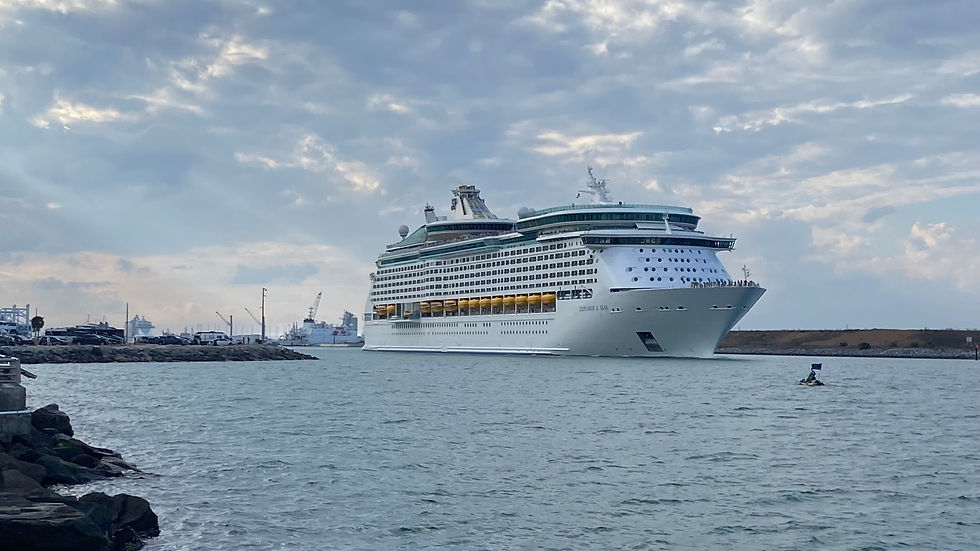
Cover photo: Explorer of the Seas leaving Port Canaveral, February 2026. Photo by Jack Adamenko / Wikimedia Commons (CC0 public domain).
Comments